
TEP Rate Hikes & Winter Storms: Why Tucson, Prescott, Flagstaff & Pinetop Homeowners Are Adding Solar Battery Backup
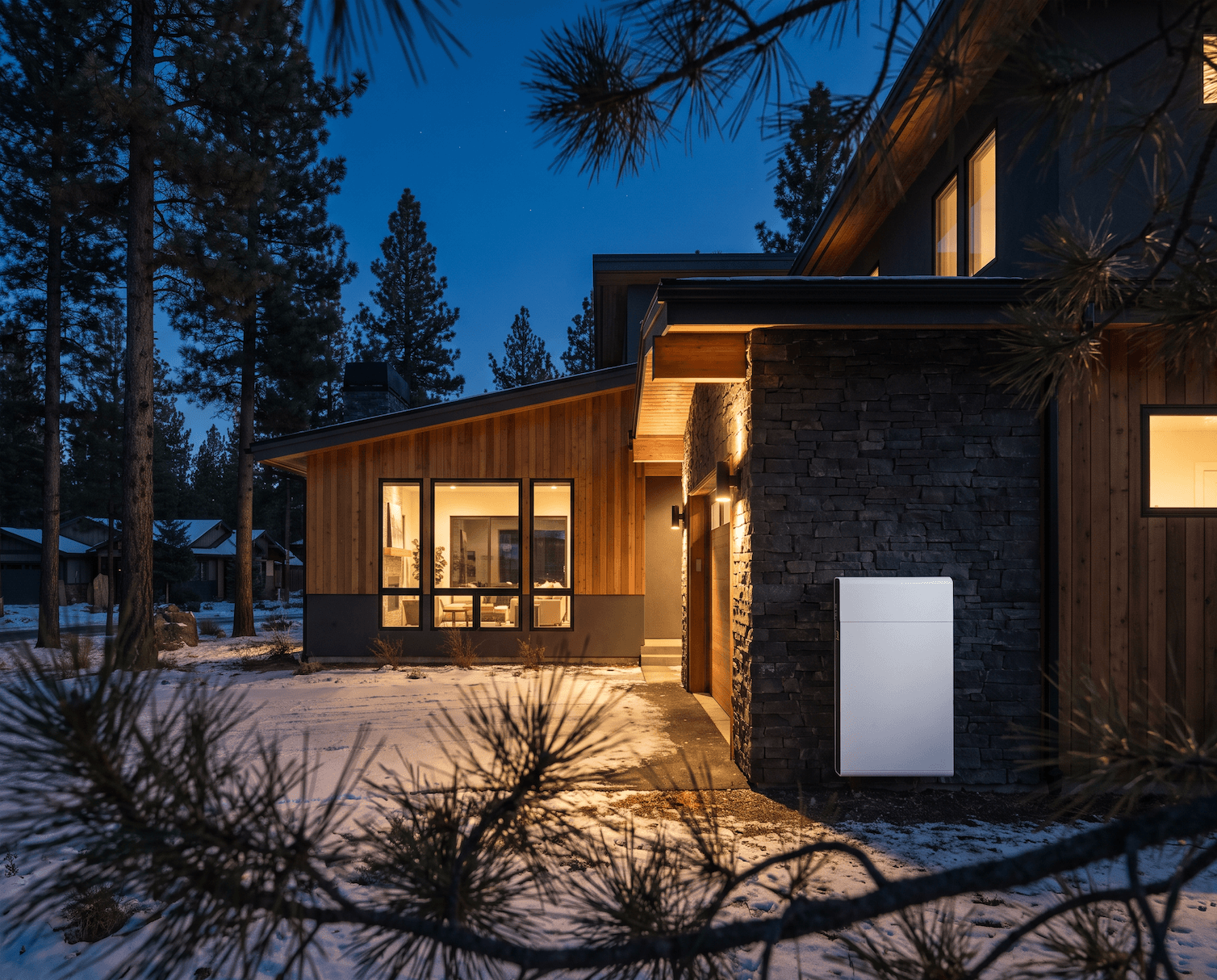
Two separate pressures are pushing homeowners across Tucson, Prescott, Flagstaff, and Pinetop toward solar and battery storage right now: a significant proposed rate increase from Tucson Electric Power, and the reality of winter weather in Arizona's higher-elevation communities, which most Phoenix-focused solar content ignores entirely.
What TEP's Proposed Rate Increase Actually Means
Tucson Electric Power has requested a rate review with the Arizona Corporation Commission, proposing new rates that would take effect around September 2026. For a typical residential customer using around 638 kilowatt-hours per month, the proposal would raise the average bill by about 14%, roughly $16 more per month. TEP has also proposed an Annual Rate Adjustment Mechanism, a mechanism that would allow automatic annual rate increases capped at 3% going forward, layered on top of this initial increase, to help the utility keep pace with infrastructure costs. The proposal still requires Corporation Commission approval, but it signals a clear upward trend in TEP territory electricity costs.
Why This Matters Beyond Tucson
TEP serves Tucson directly, but the broader pressure on Arizona utility rates, including rising infrastructure and grid resilience costs, is a regional trend that affects Prescott, Flagstaff, and Pinetop homeowners as well, even where the specific utility differs. Locking in a portion of your own power generation through solar becomes more valuable, not less, as the regional trend points toward continued rate increases.
The Piece Phoenix-Focused Content Misses: Winter Weather
Most Arizona solar and roofing content is written with Phoenix's climate in mind: extreme summer heat, monsoon dust, and haboobs. Prescott, Flagstaff, and Pinetop are a different story. These higher-elevation communities see genuine winter weather, snow accumulation, freeze-thaw cycles, and winter storms that create real snow-load stress on roofing systems and are a common cause of winter power outages, in a way that simply doesn't apply to the Phoenix valley floor.
- Snow-load roofing considerations: Roofing materials and structural load capacity need to account for accumulated snow weight, not just monsoon wind and summer UV exposure, which is a different specification conversation than a Phoenix roof replacement.
- Winter power outages: Storms in higher-elevation Arizona communities can knock out grid power for extended periods, a risk profile closer to a mountain or high-desert climate than a low-desert one.
- Battery backup value: A home battery paired with solar doesn't just offset utility rate increases, it functions as backup power during winter outages, which is a meaningfully different value proposition than the summer-heat backup story that dominates Phoenix-area solar marketing.
Solar + Battery as a Response to Both Pressures
For Tucson homeowners specifically, a solar and battery system directly offsets a rate increase that's already been formally proposed and is moving through the regulatory process. For Prescott, Flagstaff, and Pinetop homeowners, the case is less about a specific rate filing and more about the combination of regional rate pressure and a real winter outage risk that battery backup addresses directly, independent of whatever a particular utility does with its rates.
What to Consider for These Markets Specifically
- Roofing evaluated for snow load, not just monsoon and summer heat, if you're in Prescott, Flagstaff, or Pinetop.
- Battery sizing that accounts for realistic winter outage duration, not just daily solar-to-evening usage shifting.
- A rate comparison specific to your utility. TEP's proposed increase and timeline is publicly filed with the Arizona Corporation Commission, and it's worth reviewing the specifics for your own account before assuming a flat percentage applies to your bill.
- None of these four communities currently have dedicated local content addressing solar and battery storage, which means most of what you'll find online is written for Phoenix's climate and utility landscape, not yours.
FAQ
How much is TEP's proposed rate increase?
Roughly 14% for a typical residential customer, about $16 more per month for median usage of 638 kilowatt-hours. It's proposed to take effect around September 2026, pending Arizona Corporation Commission approval.
Does the TEP rate increase affect Prescott, Flagstaff, and Pinetop too?
Not directly, since those areas may be served by different utilities, but the underlying trend toward higher Arizona electricity rates and infrastructure costs is regional, which is part of why solar and battery interest is rising across all four markets.
Why does battery storage matter more in Prescott, Flagstaff, and Pinetop than in Phoenix?
These higher-elevation communities experience winter storms and snow load that create a real risk of extended power outages, a risk profile that battery backup addresses directly, on top of its role in offsetting rising rates.
Has TEP's rate increase been approved yet?
As proposed, it's still pending review and approval by the Arizona Corporation Commission, with public hearings held in early 2026 and a proposed effective date around September 2026.
Ready to talk it through? Call Empower Home Services at 800-306-6953 or visit empoweryourhome.com to schedule a free consultation.

join our good energy list
Get practical tips and insights delivered straight to your inbox each week.
Become An Empowered Homeowner
Upgrade or install solar, HVAC, roofing & electrical for a more energy efficient home today.
