
The Federal Solar Tax Credit Is Gone — Does Solar Still Pay Off in Stockton in 2026?
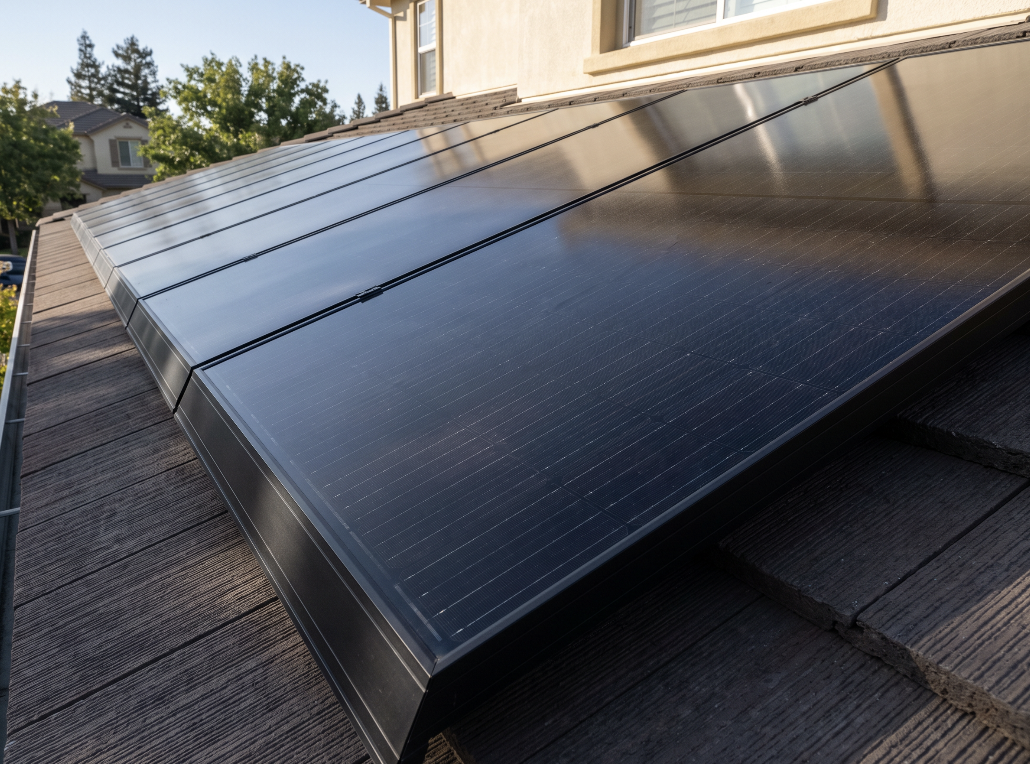
Two big things changed for Stockton solar shoppers this year. The 30% federal tax credit ended after 2025, and PG&E started charging a new fixed monthly fee in March. Each one changes the math on its own. Together, they’re worth a clear look.
Here’s what changed, what it means for the numbers, and how to decide whether solar still makes sense for your home.
Change 1: no more federal credit
The homeowner credit ended for spending after December 31, 2025. Without it, you pay the full sticker price instead of 70% of it, which is roughly 43% more out of pocket. Leases and power purchase agreements can still capture a business credit under current federal rules through 2027, so it’s worth comparing them with buying.
Change 2: PG&E’s new fixed charge
PG&E’s income-based fixed charge, which PG&E calls the Base Services Charge, began showing up on bills in March 2026. Reported amounts are about $24 a month for most households, about $12 for FERA and about $6 for CARE customers, paired with lower per-kWh rates.
What that means for solar:
- Solar can’t erase the fixed charge. It’s owed whether or not your panels run all day.
- Each kWh you offset is worth a bit less because the per-kWh rate came down.
- Shifting usage matters more. A battery that moves your solar into the evening peak helps you avoid the priciest hours, and exports under California’s current rules pay little.
What a fixed charge changes about “zero bill” thinking
A lot of people go solar hoping to zero out their bill. With a fixed monthly charge, that’s no longer a realistic target, because a portion of your bill isn’t tied to how much power you use. A better goal is to lower the variable part of your bill as much as possible and understand what’s left.
That’s not a reason to give up on solar. It’s a reason to measure it the right way: what does my total annual bill look like with and without a system?
How exports work under California’s rules
Under California’s current net billing rules, power you export is credited at rates that vary by time of day and are generally well below what you pay to buy power at peak. So the savings come from using your solar yourself, and from storing extra midday power for the evening. That’s where a battery comes in.
So, does it still pay off?
It depends on who’s asking. High-usage homes with AC, an EV, a pool or a home office tend to still see meaningful savings. Low-usage homes may find it marginal. Before you decide, get answers to these:
- What does your bill look like month by month, especially in summer?
- How much of your use happens after sunset?
- Does buying, financing or leasing fit you best?
- Would a battery help you shift use, or give you backup you value?
Three homes, three answers
These are simplified profiles, not quotes, to show how the same system can look different from house to house.
- The big summer bill. Air conditioning runs all afternoon and evening. Solar offsets a lot of expensive usage, and a battery can cover the evening. This is where solar tends to pencil out best.
- The low-usage home. Small bills, few big appliances. The fixed charge is a larger share of the bill, and there’s less usage to offset. Payback is harder.
- The EV household. A plug-in vehicle adds significant, often flexible, load. Charging with your own solar or stored power can change the picture a lot.
Buy, finance or lease?
Buying gives the lowest total cost over time if you have the funds. Financing spreads out the cost, so compare the monthly payment against the bill you’d be avoiding. Leasing or a PPA lowers the upfront cost and can pass through some of the business credit, but you typically won’t own the system, so read the terms carefully, including what happens if you sell.
We give dollar figures as ranges and update them with current rates, since PG&E’s charges shift.
Common questions
Does the fixed charge apply if I have solar? Yes. It’s owed whether or not your panels run all day, so solar can lower the variable part of your bill but not the fixed part.
Will a battery still help? Often, yes. It lets you use more of your own solar in the evening instead of exporting it at a low credit.
Is it too late to go solar? For many homes, no. But the answer should come from your usage and your options for buying, financing or leasing, not from a headline.
What to bring to a consultation
- Your last 12 months of PG&E bills
- Your rate plan and whether you’re on CARE or FERA
- Any plans to add an EV, a pool or other big loads
- Questions about backup power
Explore solar and storage, battery storage, or our Stockton page.
Get your free updated solar + battery savings estimate. Call 800-306-6953 or visit empoweryourhome.com.

join our good energy list
Get practical tips and insights delivered straight to your inbox each week.
Become An Empowered Homeowner
Upgrade or install solar, HVAC, roofing & electrical for a more energy efficient home today.
