
Santa Clarita’s Wind Season Is Back — What to Check Before the Next PSPS Outage
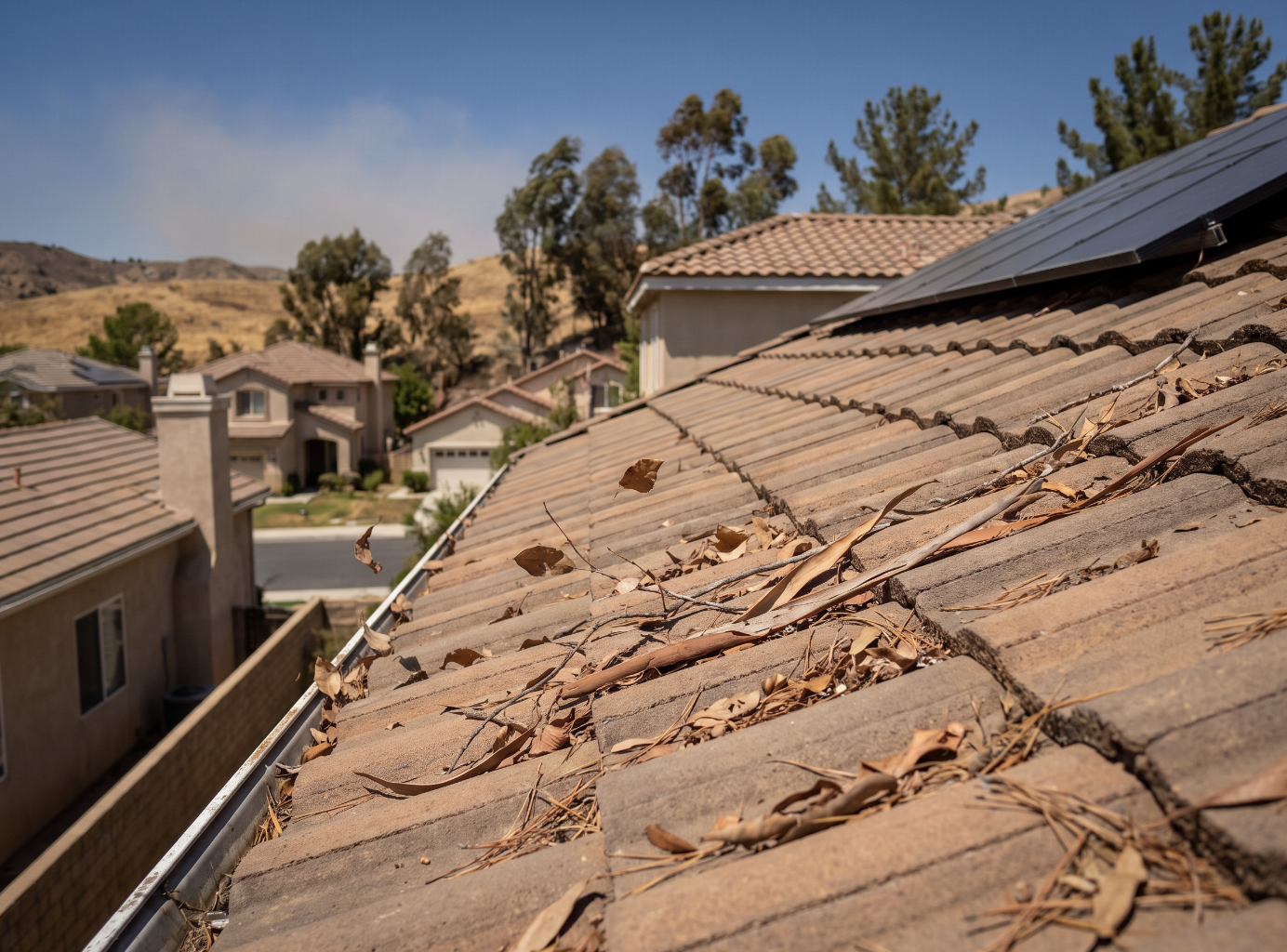
Santa Clarita Valley knows fire weather. In January 2025, the National Weather Service issued a rare Particularly Dangerous Situation Red Flag Warning that named the Santa Clarita Valley, with gusts forecast up to 55 to 70 mph. In July 2026, the Pointe Fire burned about 58 acres near Centre Pointe Parkway and triggered evacuation warnings in Valencia. When wind season returns, so does the possibility of a Public Safety Power Shutoff.
If you’ve never been through one, or you have and want to be better prepared, here’s what a PSPS means for a Valencia household, what solar does and doesn’t do during an outage, and a prep list you can finish this week.
What a PSPS actually means for your house
A PSPS is when Southern California Edison turns off power on purpose to reduce the risk of its lines sparking a fire during high winds and dry conditions. It can last hours or, in bigger events, days. SCE tries to give notice ahead of time, so signing up for outage alerts is the easiest prep step there is.
A PSPS is different from a random outage. It’s planned, it’s tied to the weather forecast, and it tends to come in waves as winds move through. That means you often get a little warning, and you may lose power more than once in a single event.
Solar without a battery won’t keep you running
Here’s the part surprising many solar owners: a grid-tied solar system without a battery shuts off when the grid goes down. That’s a safety feature. It protects utility workers who might be repairing the lines, and it means your panels can’t keep the lights on during an outage, even on a sunny day.
How solar plus battery keeps you running
A battery lets your home disconnect from the grid and run on stored power. Then the sun recharges it the next day, so a multi-day outage doesn’t have to mean a dead fridge.
- Essentials stay on: refrigeration, lights, Wi-Fi, phone charging and medical devices.
- Size matters: whether you also run the AC, well pump or EV depends on how the system is designed.
- Set your backup reserve: keep some charge held back before wind season, rather than letting the battery drain daily.
Read more about battery storage and how it’s sized for your home.
Battery vs. generator
Some households cover outages with a portable generator instead. Both can work, but they’re different tools.
- A battery is quiet, automatic and fume-free, and it can be recharged by your solar panels, so it isn’t limited by a fuel supply.
- A generator can run longer on fuel, but it needs to be fueled, started and kept outdoors, well away from windows, because of carbon monoxide risk.
- Backup wiring matters either way. A generator should be connected safely, never plugged into a wall outlet, and a battery should be installed by a licensed professional.
If a household relies on medical equipment, ask SCE about programs for customers who depend on power, and talk to your provider about what your backup needs to cover.
What would you actually run?
A useful exercise is to write down what has to stay on for 48 hours. Most families land on a similar list:
- Refrigerator and freezer
- Lights and outlets in the main living areas
- Wi-Fi router and phone chargers
- Any medical devices
- A garage door opener or a few fans
Bigger loads, like central AC, an electric oven or an EV charger, take much more capacity. A good installer will size your system around what you tell them matters, not a generic package.
Don’t skip the roof
High wind turns loose tiles and shingles into flying debris. Take a quick look from the ground for lifted or missing shingles, slipped or cracked tiles, flashing that’s pulled away, and gutters packed with dry leaves. Anything that looks off is worth a roof repair before the next warning rather than after it.
Quick prep list
- Sign up for SCE outage and PSPS alerts.
- Check your roof from the ground.
- Clear gutters and roof debris.
- Charge phones, power banks and any medical equipment when a warning is issued.
- If you have a battery, confirm your backup reserve.
- If you don’t, ask what a battery would cover in your home.
Common questions
Will my solar panels work during a PSPS? Not without a battery. A standard grid-tied system turns off when the grid does, even in full sun.
How long will a battery last? It depends on the size of the battery and what you’re running. With a modest load, a solar-plus-battery system can recharge each day and keep essentials going through a longer outage.
Is a battery only worth it for outages? No. On many plans it also helps you use more of your own solar in the evening, so it can earn its keep on regular days too.
We serve Valencia and the Santa Clarita Valley.
Book a free storm-season roof and battery consultation. Call 800-306-6953 or visit empoweryourhome.com.

join our good energy list
Get practical tips and insights delivered straight to your inbox each week.
Become An Empowered Homeowner
Upgrade or install solar, HVAC, roofing & electrical for a more energy efficient home today.
