
Could a Fire-Resistant Roof Lower Your Riverside FAIR Plan Premium?
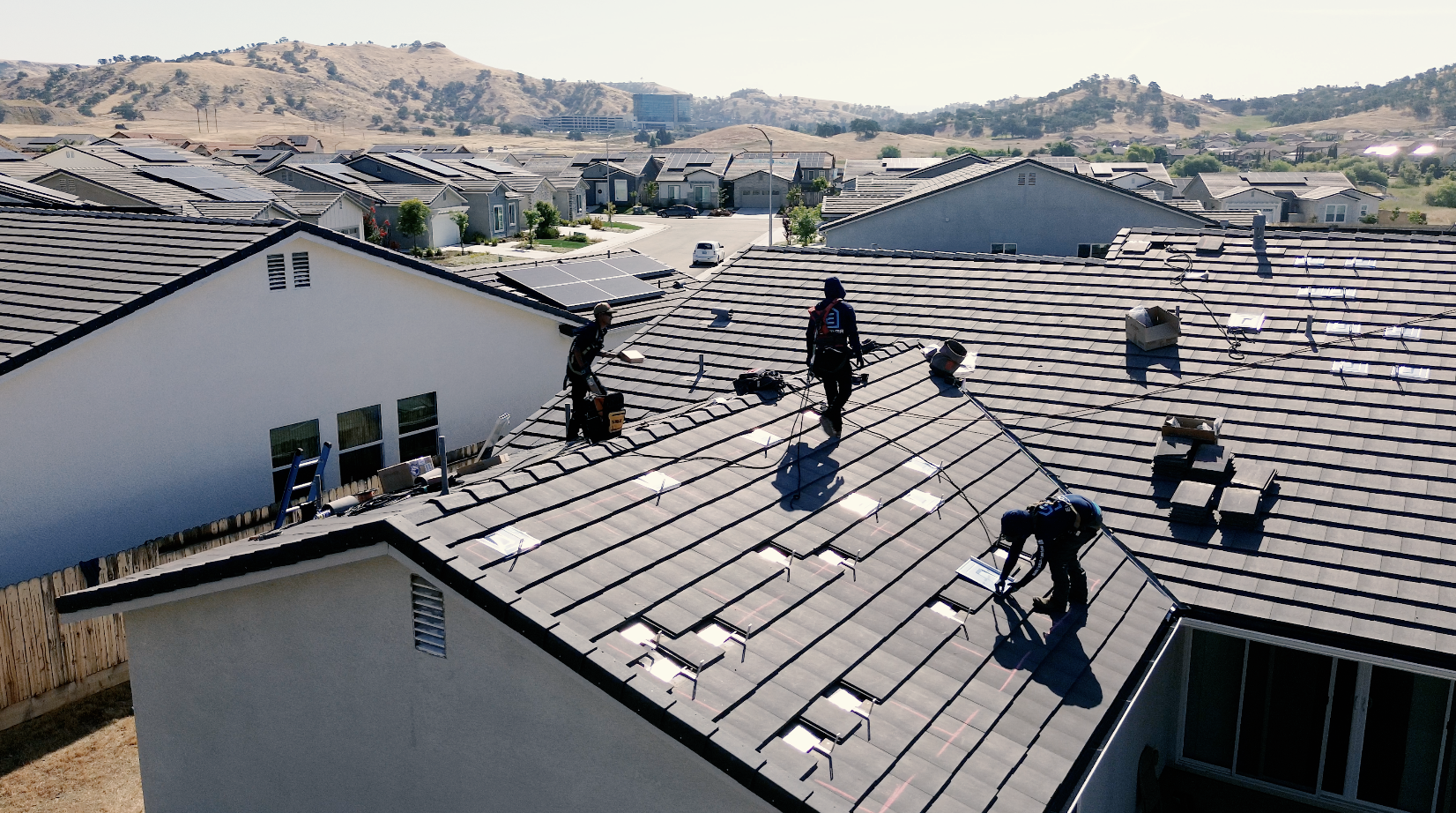
The California FAIR Plan approved a 29.1% average rate increase that takes effect October 15, 2026. It had asked for 35.8%. The biggest jumps are in wildfire-prone canyons and foothills, and some homeowners in high-risk areas could see wildfire premiums nearly double. If your Riverside County home is insured through the FAIR Plan, that’s a lot to absorb. Here’s a lever you might not know you have.
What the FAIR Plan is
The FAIR Plan is California’s insurer of last resort. Homeowners often end up there when private insurers decline to write or renew a policy in a high-risk area. It’s meant to be a backstop, and its policies typically cover fire, with other coverage layered on separately, so it’s worth asking your agent exactly what your policy includes.
The discount most homeowners don’t know exists
The FAIR Plan offers up to 12 wildfire-mitigation discounts for things homeowners can do to harden a home. A Class A fire-rated roof is one of them. Others include:
- Ember-resistant vents
- Enclosed eaves
- Multi-pane windows or functional shutters
- Noncombustible material at the base of exterior walls
- A cleared five-foot zone around the house, plus trimmed trees and defensible space
According to the FAIR Plan’s discount schedule, stacking all of them can take up to 16.4% off the wildfire portion of a Dwelling Fire premium. Note the wording: it applies to the wildfire portion, not the whole bill, and the roof is one piece of the total.
What “Class A” means for your roof
Class A is the highest fire-resistance rating a roof covering can earn. Many roof installation options can meet it, including certain asphalt shingles, tile and metal. Check the product’s rating, not just the material name, since ratings vary by product and assembly. No roof is fireproof, and a Class A roof is one layer of protection, not a guarantee.
The rating applies to the roof as an assembly, meaning the covering plus what’s beneath it, so it’s worth asking your contractor to show you the documentation for the exact product and installation method. A roof that’s only partly upgraded may not earn the same credit as one that’s fully rated, and that’s a question for your agent, not a guess.
Beyond the roof
The roof is one line item. The FAIR Plan’s list rewards the whole picture: what’s on the walls, what’s under the eaves, what’s growing near the house. Many of the other items are low-cost or free.
- Clear the five-foot zone around the house of anything that can burn.
- Trim trees and keep vegetation away from the roofline.
- Clean gutters and roof surfaces regularly, since dry debris is fuel.
- Look at vents. Ember-resistant vents are a common, relatively simple upgrade.
What to ask your agent
- Does my policy apply this discount, and does it need the whole roof to be Class A?
- What proof do you need: invoice, product data sheet, dated photos?
- When would it take effect, at renewal or sooner?
Repair or replace: where a Class A upgrade makes sense
A Class A roof is most cost-effective when it replaces a roof that was due anyway. If your roof has years left, a repair may be the better move today, with a Class A roof planned for the next replacement. If your roof is failing, leaking or badly worn, that’s the moment to price a Class A option side by side with a like-for-like replacement, because the added cost of choosing a higher rating during a replacement is often much smaller than upgrading later.
What to do before October 15
- Read your renewal notice and note the new premium and the date it takes effect.
- Ask your agent for the current list of wildfire-mitigation discounts and which ones your policy already has.
- Walk your property with that list. The cleared five-foot zone, trimmed trees and gutter cleaning are low-cost and can be done this week.
- Have your roof looked at. A free inspection tells you its age, condition and, if you’re unsure, what it’s made of.
- Start a folder for photos, invoices and product sheets, so paperwork is ready when you need it.
Is the FAIR Plan enough?
FAIR Plan policies are generally built around fire coverage, and many homeowners add separate coverage for other risks. It’s worth asking your agent what your policy leaves out and whether a companion policy makes sense for your situation.
Will a reroof pay for itself?
On its own, a discount is unlikely to cover a new roof. But if your roof needs replacing anyway, choosing a Class A option may cost little extra, and it could earn savings on every premium after. That’s a much better deal than upgrading just for the discount.
How to tell if your roof is due
Signs an older roof may be near the end of its life include curling or cracked shingles, bald spots where granules have worn away, tiles that are cracked or slipping, and leaks or stains inside. If you’re seeing any of those, a replacement conversation is a good time to talk about fire ratings too.
We serve Riverside County and can walk you through the options and the paperwork.
Book a free fire-resistant roofing consultation. Call 800-306-6953 or visit empoweryourhome.com.

join our good energy list
Get practical tips and insights delivered straight to your inbox each week.
Become An Empowered Homeowner
Upgrade or install solar, HVAC, roofing & electrical for a more energy efficient home today.
