
ERCOT Broke Demand Records Again This Summer — Why More DFW & Waco Homeowners Are Adding Battery Storage
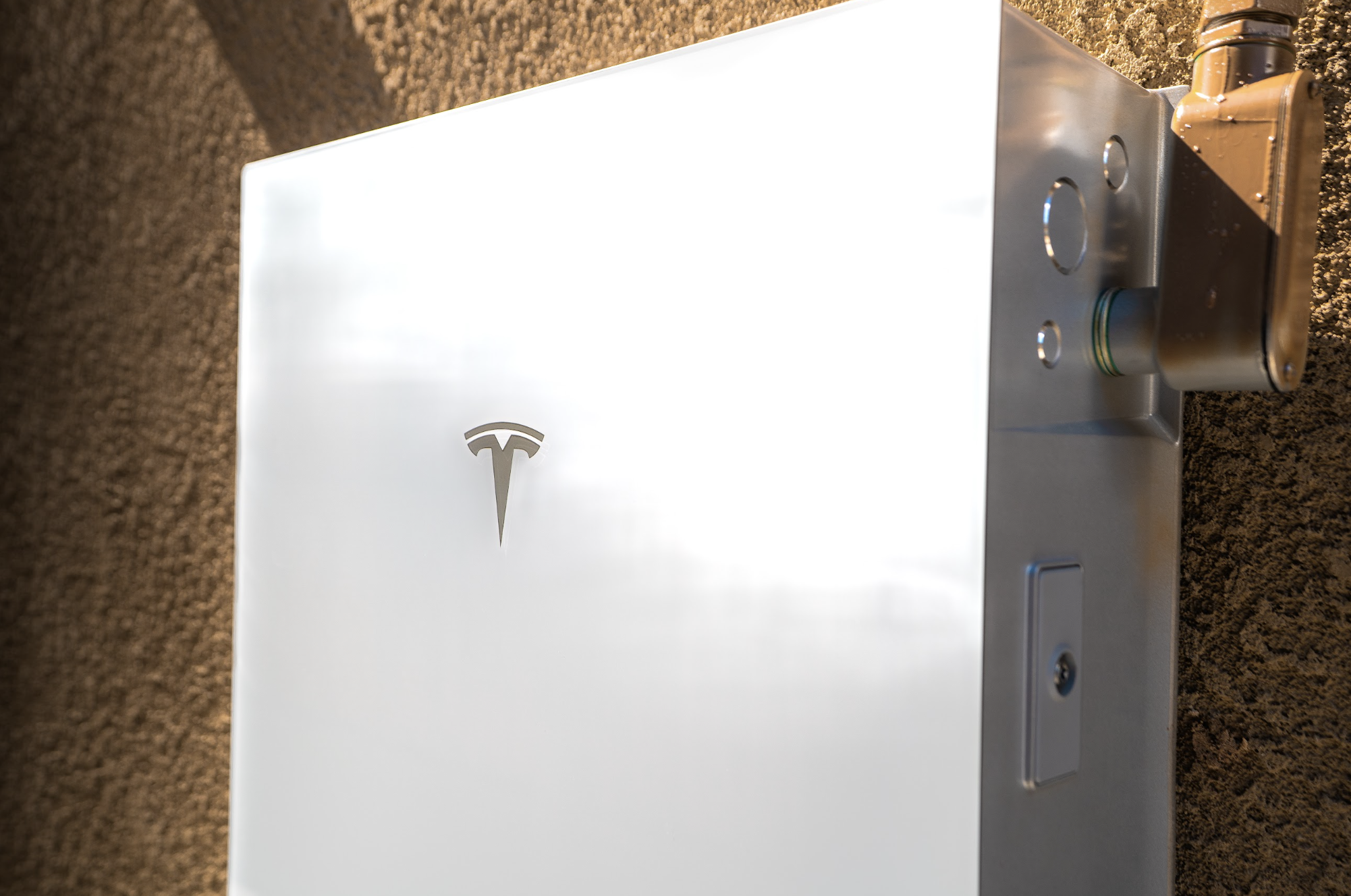
On July 22, 2026, ERCOT’s system-wide demand topped 91,000 MW, a new all-time record and well above the previous peak of 85,508 MW set in August 2023. Dallas-Fort Worth hit 109 degrees that day. To be fair to the grid, it held up: plenty of solar (more than 39,000 MW) and fast-growing battery storage helped it through. But records like that are a signal of where Texas is headed.
For homeowners, the useful question is what any of that means for your bill, your backup power and your solar math. Here’s the short version.
Two facts that point to the same fix
1. The grid is under more strain. Demand keeps growing, and the toughest hour is often after sundown, when solar fades but air conditioners keep running. Texans also haven’t forgotten Winter Storm Uri in February 2021, and severe storms cause plenty of local outages too. In April, gusts near 90 mph in Parker County affected roughly 40,000 power customers.
2. Texas doesn’t guarantee a solar buyback rate. Unlike states with net metering, Texas doesn’t require electricity providers to pay retail rates for exported solar. Your retail electric provider sets its own buyback plan, and some pay a few cents per kWh while others come closer to your retail rate. A solar-only system’s math depends heavily on who your provider is and what plan you’re on.
Why the evening hours are the hard ones
Solar makes the most power around midday. Air conditioners in a Texas summer keep running long after sunset, when solar output fades and the grid has to cover the demand. That’s the window where power is often most strained, and where a home battery can help most: it stores midday solar and uses it in the evening.
For a household, that translates into two benefits. You use more of your own solar instead of selling it cheaply. And you’re less exposed to the grid’s toughest hours.
What a battery adds
- Better day-to-day economics. Store extra solar for the evening instead of exporting it at a low rate.
- Backup power. When the grid is the problem, a battery keeps the essentials running. A solar system without a battery shuts off during an outage.
- Flexibility. Your battery can help you avoid the pricier hours on plans that charge more at peak.
How much backup do you actually want?
Backup is a design choice, not a yes or no. Some homeowners back up a handful of essentials: refrigeration, lights, internet and phone charging. Others want the AC or the whole house covered. Each step up takes more battery capacity, so it helps to decide what matters most before you get a quote.
Before you decide
- Look at your plan. Know what your provider pays for exports and whether it has time-of-use pricing.
- Decide what backup means to you: a few essentials, or most of the house.
- Get an estimate based on your bills, not a neighborhood average.
What a battery can and can’t do in a heat wave
A battery can shift your solar into the evening and keep essentials running if the grid goes down. It can also help power some cooling, depending on its size and what else you’re running. What it can’t do is run everything indefinitely: it has a limited amount of stored energy, and it recharges from solar (or the grid) once conditions allow. That’s why sizing it to what matters most to you is the key step.
Does record demand mean a higher bill?
Not automatically. Your bill depends on your plan. On a fixed-rate plan, the price you pay per kWh doesn’t change when the grid is stressed. On a variable or wholesale-linked plan, your price can move with the market, and hot, high-demand periods can be expensive. That’s one more reason to know exactly what plan you’re on before you compare a solar or battery quote.
Questions to ask any installer
- How did you model my provider’s buyback plan?
- What would the system cover during an outage, and for how long?
- What does it cost with and without a battery, so I can compare?
- How is the battery warrantied, and what does the warranty assume about usage?
- What happens to my numbers if I change providers?
Common questions
Do I need a battery to go solar in Texas? No, but because buyback rates vary and can be low, many homeowners find storage improves the math. It depends on your plan.
Will a battery help during a winter storm? It can keep essentials running, depending on its size and how much charge is available. Ask how it’s designed for extended outages.
Can I add a battery later? Often yes, but ask your installer how the system should be designed so adding one stays simple.
Buyback specifics vary by provider and change often, so we keep them general here and use your actual plan in your estimate. We serve Dallas-Fort Worth and Waco. Explore solar and storage and battery storage.
Get a free solar + battery savings estimate. Call 800-306-6953 or visit empoweryourhome.com.

join our good energy list
Get practical tips and insights delivered straight to your inbox each week.
Become An Empowered Homeowner
Upgrade or install solar, HVAC, roofing & electrical for a more energy efficient home today.
