
How Much Does a New Roof Cost in Fresno & Clovis in 2026?
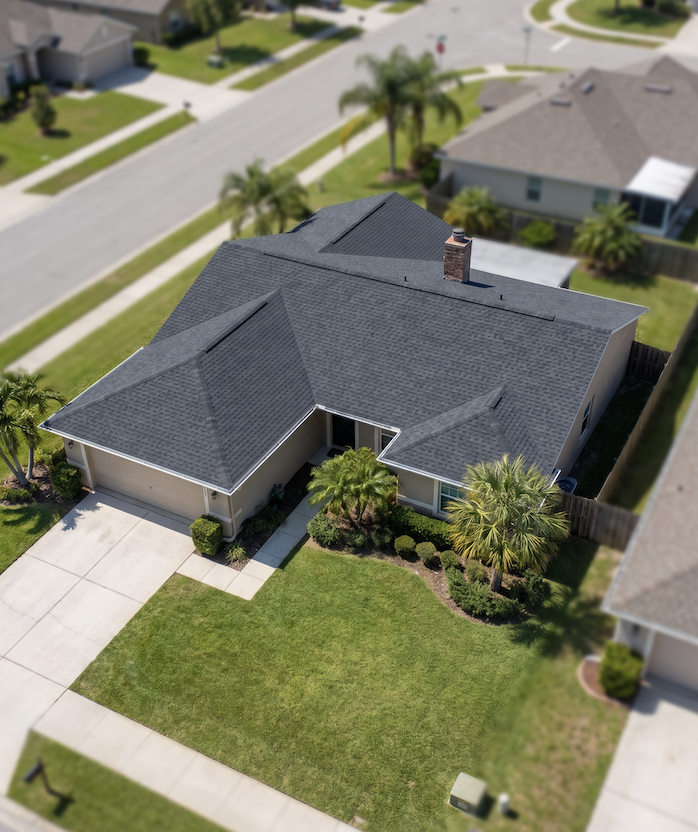
How Much Does a New Roof Cost in Fresno & Clovis in 2026?
If you've started collecting quotes for a roof replacement in Fresno or Clovis, you've probably noticed the numbers are all over the place. That's not because contractors are guessing — it's because roof cost depends on a handful of specific variables, and once you know what they are, the range starts to make a lot more sense.
Here's a real look at what homeowners in the Central Valley are paying for a new roof in 2026, what actually drives that number up or down, and where financing fits in if you're budgeting for a project before the year ends.
What a New Roof Costs in Fresno & Clovis, By Material
For a typical Fresno or Clovis home (roughly 2,000 square feet of roof area), here's what you can expect by material:
Asphalt shingle is still the most common choice in the Central Valley, and the most budget-friendly:
- Standard 3-tab shingles: roughly $8,500–$12,500
- Architectural (dimensional) shingles: roughly $10,000–$15,000
- Impact-resistant shingles: roughly $11,500–$17,000
Tile costs more upfront but is a familiar sight on Central Valley roofs for good reason — it holds up well to Fresno's heat and sun exposure over decades:
- Concrete tile: roughly $19,500–$28,500
- Clay tile: roughly $24,500–$36,500
Metal roofing has been gaining ground with Fresno homeowners who want a longer lifespan and better heat reflection:
- Corrugated metal panel: roughly $12,500–$18,500
- Standing seam metal: roughly $20,000–$29,000
These are planning ranges, not a quote — the only way to get a real number for your specific roof is a walk-through with an estimator. But if you're budgeting before you ever pick up the phone, this is a realistic starting point.
What Actually Drives Your Number Up or Down
A handful of factors explain most of the spread between the low end and high end of any of those ranges:
Roof size. Roofers measure in "squares" (100 square feet each). A larger home simply needs more material and more labor hours, so cost scales fairly directly with square footage.
Roof pitch and complexity. A steep roof, or one with a lot of valleys, dormers, and cut-ins, takes longer to work safely and generates more waste material than a simple gable roof. Complexity adds labor cost even on a roof that isn't especially large.
Full tear-off vs. overlay. In some cases, a new layer of shingles can go directly over an existing layer. It's cheaper, but it's not always the right call — an overlay can trap heat and moisture against your decking, and most manufacturer warranties require a full tear-off to fully old materials, inspect the decking underneath for rot or damage, and start clean. For Central Valley homes especially, where roofs take a beating from sustained summer heat, a full tear-off is usually worth the extra cost.
Permits and code requirements. Fresno and Clovis both require permits for roof replacement, and current California building code (Title 24) has specific requirements around cool-roof reflectivity for certain reroofs. That can affect material choice and cost — more on that below.
Decking repair. If your roofer finds rotted or damaged decking once the old roofing material comes off, replacing that plywood or sheathing is an added cost that's hard to know in advance. It's common enough that it's worth budgeting a little contingency for, especially on an older roof.
The Central Valley Heat Angle: Why "Cool Roof" Materials Cost More Upfront
Fresno and Clovis summers put a roof through more sustained heat than almost anywhere else in California, and that has a direct effect on your home's energy bills — not just your roof's lifespan.
Reflective, or "cool roof," materials and coatings are designed to bounce more of the sun's heat away from your home instead of absorbing it into your attic. They typically cost more upfront than a standard material of the same type. But over a Central Valley summer, a cooler attic means your HVAC system isn't working as hard to keep the house comfortable — which shows up as real savings on your summer cooling bills over the life of the roof.
If you're already looking at a roof replacement, it's worth asking your estimator to walk you through the cool-roof options for your material choice and what the payback looks like given how much you're currently spending to cool your home in the summer.
Financing a Roof Replacement
A new roof is a significant expense, and most homeowners aren't paying for it in cash out of pocket. Financing options for roof replacement typically include:
- Contractor-arranged financing plans, often with promotional low- or no-interest periods
- Home equity loans or HELOCs, if you have equity built up
- Personal loans through a bank or credit union
The right option depends on your timeline, your credit, and whether you're bundling the roof with another project (like solar) that might change the financing picture. Ask about current financing options when you get your estimate — rates and promotional terms shift throughout the year.
Get a Real Number for Your Roof
Ranges are a useful starting point, but the only way to know what your roof replacement will actually cost is a free, in-person estimate. Empower has been doing roof installations across the Central Valley for years, and we'll walk your roof, explain your material options honestly, and give you a real number — not a guess.
Ready to find out what your roof replacement will cost? Call Empower at 800-306-6953 or visit EmpowerYourHome.com to schedule your free roof estimate.

join our good energy list
Get practical tips and insights delivered straight to your inbox each week.
Become An Empowered Homeowner
Upgrade or install solar, HVAC, roofing & electrical for a more energy efficient home today.
